The jump from senior engineer to staff engineer is one of the most significant career transitions in software development. It's also one of the most misunderstood. Many engineers assume that becoming a staff engineer simply means being a "more senior" senior engineer—writing more code, knowing more technologies, or having more years of experience.
But here's what most people don't realize: the staff engineer role is fundamentally different from the senior engineer role. It requires a completely different skill set, mindset, and approach to your work. Understanding these differences is crucial whether you're planning your career trajectory or trying to figure out why that promotion keeps slipping away.
1. What Is a Senior Engineer? The Senior Engineer Role Explained
A senior engineer is typically someone who has mastered the technical skills needed to build software independently. They can take a well-defined problem, design a solution, and implement it without needing much guidance. Senior engineers are the backbone of any engineering team—they're the people who get things done.
At the senior level, your primary focus is on execution. You're evaluated on your ability to deliver high-quality code, meet deadlines, and solve technical problems within your domain. You might mentor junior engineers occasionally, but your main contribution is still your individual output.
Most engineers reach the senior level after 4-6 years of focused experience. It's a significant achievement, but it's also where many careers plateau—not because of a lack of technical ability, but because the path forward requires something different.

2. What Is a Staff Engineer? The Staff Engineer Role and Responsibilities
A staff engineer operates at a completely different level. While they certainly have deep technical expertise, their primary value comes from their ability to influence and improve the engineering organization as a whole. They think beyond individual projects and consider the long-term health of the codebase, the team, and the company's technical strategy.
Staff engineers are force multipliers. Instead of just shipping their own code, they help entire teams ship better code faster. They identify patterns of problems across the organization and design solutions that prevent those problems from recurring. They make architectural decisions that will affect the company for years to come.
The staff engineer role typically requires 8-12+ years of experience, but time in the industry is just one factor. Many engineers with 15+ years never reach staff level because they haven't developed the skills and visibility required for the role.
3. Staff Engineer vs Senior Engineer: The Key Differences
The fundamental difference between senior and staff engineers comes down to scope and impact. A senior engineer's impact is measured by their individual contributions. A staff engineer's impact is measured by how much they improve everyone around them.
Here are the key differences:
- Scope: Senior engineers focus on their team's projects. Staff engineers think across teams and the entire organization.
- Ambiguity: Senior engineers execute on well-defined problems. Staff engineers often define what problems the team should be solving.
- Influence: Senior engineers influence through their code. Staff engineers influence through their ideas, designs, and leadership.
- Time horizon: Senior engineers think in sprints and quarters. Staff engineers think in years and strategic roadmaps.
4. Personal Branding: What Actually Gets You Promoted to Staff
Here's an uncomfortable truth: being a great engineer isn't enough to become a staff engineer. You also need to be visible. The engineers who get promoted to staff are the ones whose impact is known throughout the organization—not just by their immediate team.
This is where personal branding becomes essential. You need to build a reputation as someone who solves important problems, drives technical strategy, and helps others succeed. This doesn't mean self-promotion for its own sake—it means ensuring that your contributions are visible and that you're known for specific expertise.
Write internal tech blog posts. Present at engineering all-hands meetings. Lead cross-team initiatives. Document your architectural decisions. These activities build the visibility you need while also providing genuine value to your organization.
5. Career Ladder: Senior to Staff Engineer
The transition from senior to staff isn't automatic, and it's not just about putting in more years. You need to intentionally develop new skills and take on work that demonstrates staff-level impact before you can be promoted.
Start by looking for opportunities to work across team boundaries. Volunteer to lead technical initiatives that span multiple teams. Take ownership of improving shared infrastructure or developer experience. These are the types of projects that build staff-level skills and visibility.
Many companies also have formal sponsorship or mentorship programs for engineers targeting staff level. Take advantage of these if they're available—having a sponsor who advocates for your promotion can make a significant difference.
6. Technical Skills: Staff Engineers vs Senior Engineers
Staff engineers need all the technical skills of a senior engineer, plus additional capabilities. They need to be able to design systems at scale, understand the trade-offs between different architectural approaches, and make decisions that will hold up over time.
But the technical bar for staff isn't just about knowing more technologies or being a better coder. It's about having the judgment to know when to use which approach, when to take on technical debt, and when to push back on requirements that will cause long-term problems.
Staff engineers also need to be able to communicate technical concepts to non-technical stakeholders. You'll often find yourself translating between engineering reality and business needs, helping leadership understand the implications of different technical choices.
7. Soft Skills and Technical Leadership
The biggest skill gap between senior and staff engineers is often in soft skills. Staff engineers need to be exceptional communicators, both in writing and in person. They need to be able to influence without authority, build consensus across teams, and navigate organizational politics.
Technical leadership at the staff level means helping others make good decisions, not just making all the decisions yourself. It means knowing when to step in and when to let others learn from their mistakes. It means being patient with the pace of organizational change.
Many technically brilliant engineers struggle at the staff level because they haven't developed these softer skills. If you want to reach staff, start investing in your communication and leadership abilities now.
8. Challenges Faced by Staff Engineers
The staff engineer role comes with its own set of challenges. One of the biggest is staying technically relevant while spending more time on non-coding activities. Staff engineers often struggle with the tension between maintaining their technical edge and fulfilling their leadership responsibilities.
Another challenge is dealing with ambiguity. Unlike senior engineer work, which often comes with clear requirements, staff-level work frequently involves figuring out what problems to solve in the first place. This can be uncomfortable for engineers who prefer well-defined tasks.
Staff engineers also face the challenge of measuring their impact. When you're writing code, you can point to features shipped and bugs fixed. When you're improving team processes or setting technical direction, the results are harder to quantify—but no less important.

9. Is Staff Engineer Higher Than Senior Engineer?
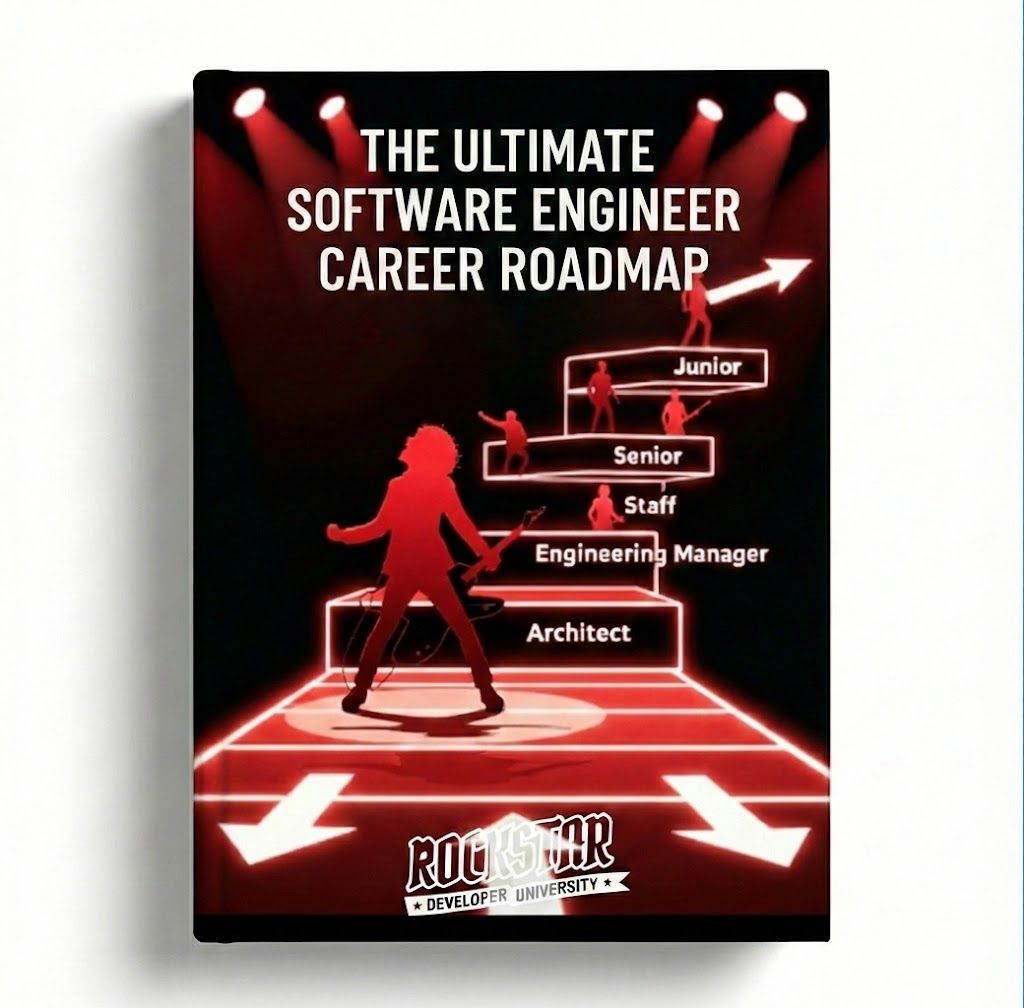
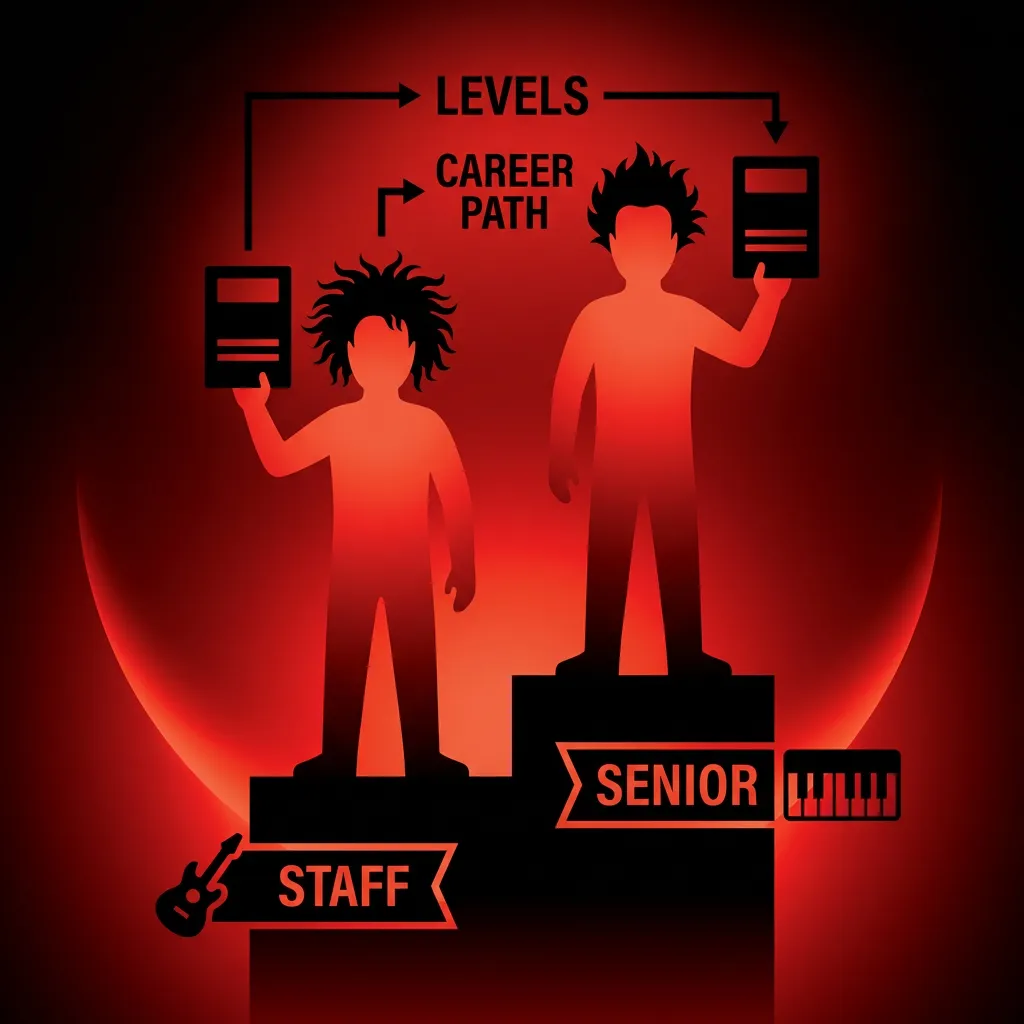
Yes, staff engineer is typically one level above senior engineer in most tech company career ladders. The standard progression is usually: Junior Engineer → Mid-level Engineer → Senior Engineer → Staff Engineer → Principal Engineer → Distinguished Engineer.
However, titles vary significantly between companies. What one company calls a "Staff Engineer" might be called a "Senior Staff Engineer" or "Principal Engineer" at another. What matters more than the title is the scope and nature of the work you're doing.
The promotion from senior to staff is often considered one of the hardest jumps in an engineering career because it requires developing fundamentally different skills. It's not just about getting better at what you already do—it's about transforming how you work.
10. What Engineers Make $500,000 a Year?
At top-tier tech companies (FAANG and similar), staff engineers can earn $400,000-$600,000+ in total compensation, including base salary, stock, and bonuses. Principal and distinguished engineers at these companies often exceed $700,000-$1,000,000+ annually.
The engineers earning $500,000+ typically have a combination of factors: they work at high-paying companies, they've reached senior individual contributor levels (staff+), and they've often been at their company long enough to have significant vested stock.
But salary shouldn't be the only reason you pursue staff-level roles. The real benefit is the ability to have significant impact on your organization and industry, work on more interesting problems, and shape the future of technology at your company.

11. Taking Action: Building Your Path to Staff Engineer
If you're a senior engineer aspiring to staff level, start by having an honest conversation with your manager about what staff-level work looks like at your company. Ask for specific examples of what current staff engineers have done to reach that level.
Then, start looking for opportunities to demonstrate staff-level impact. Lead a cross-team project. Write a technical strategy document. Mentor other engineers. Propose and drive architectural improvements. These are the types of contributions that build your case for promotion.
Remember that the transition to staff often takes 2-4 years of intentional effort. It's not something that happens overnight. But by focusing on expanding your scope, building visibility, and developing your leadership skills, you can position yourself for success.
12. Frequently Asked Questions About Staff Engineer vs Senior Engineer
How long does it take to go from senior to staff engineer?
Typically 3-5 years after reaching senior level, though this varies significantly by company and individual. Some engineers make the jump in 2 years with exceptional performance and the right opportunities, while others take longer or need to change companies to advance.
Can you become a staff engineer without managing people?
Yes! Staff engineer is an individual contributor role, not a management role. However, staff engineers do need strong leadership and influence skills—you'll be leading through expertise and persuasion rather than through formal authority.
What's the difference between staff engineer and engineering manager?
Staff engineers focus on technical leadership and still contribute code regularly. Engineering managers focus on people leadership—hiring, career development, and team dynamics. Both roles are typically at similar levels in the career ladder, representing different tracks for advancement.