The title "Staff Software Engineer" carries weight in the tech industry—but what does it actually mean? Unlike senior engineers who focus primarily on executing well-defined projects, staff engineers operate at a different level entirely. They shape technical strategy, mentor teams, and solve problems that span multiple systems or even the entire organization.
In this guide, I'll break down exactly what a staff software engineer does, how this role differs from other senior positions, and the concrete skills you need to develop if you're aiming to reach this level. Whether you're a senior engineer looking to level up or just curious about the path ahead, this is your roadmap.
1. What Does a Staff Software Engineer Actually Do?
A staff software engineer is a senior individual contributor who influences technical decisions across teams or the entire engineering organization. While they still write code, their primary impact comes from setting technical direction, unblocking complex problems, and elevating the capabilities of other engineers.
The daily work of a staff engineer often includes reviewing architecture proposals, mentoring senior engineers, identifying technical debt that needs addressing, and representing engineering in cross-functional discussions. They're the people who get called in when a project is stuck or when a critical system needs to be redesigned.
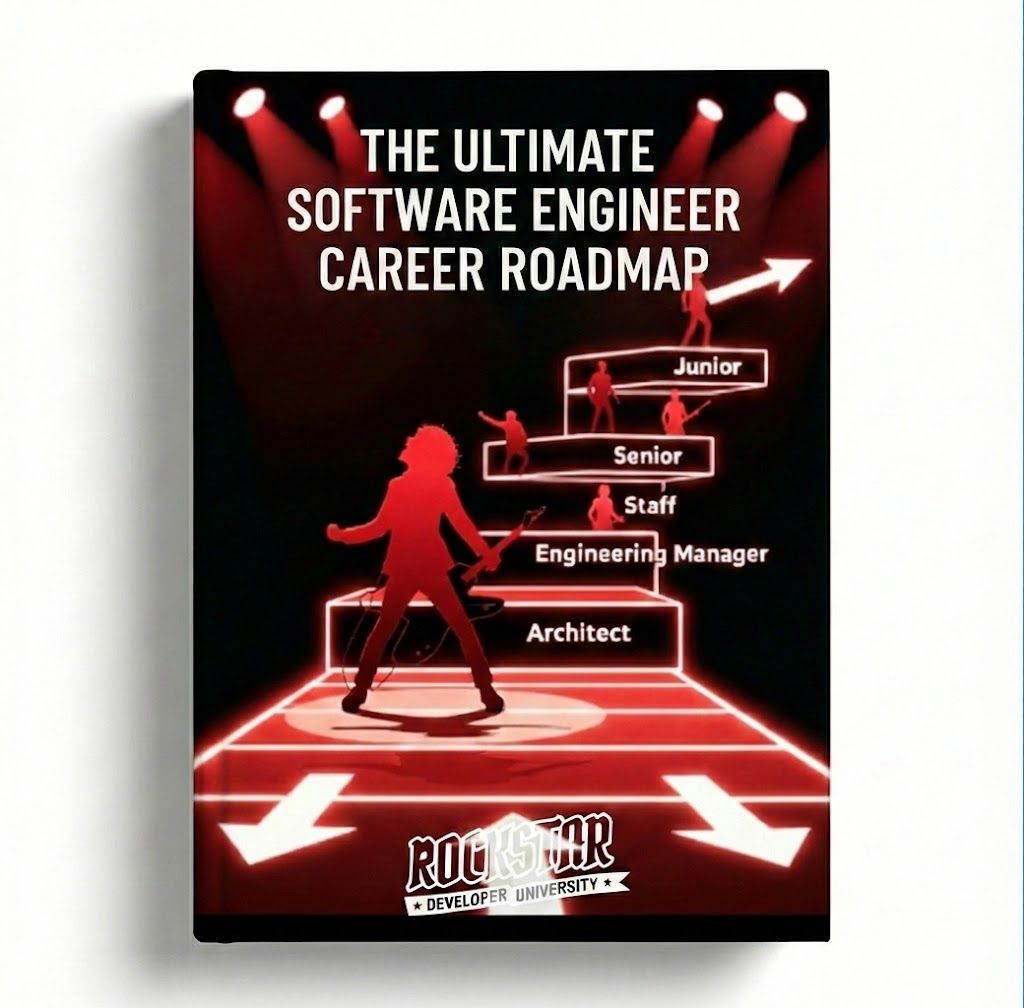
At many companies, this is the point where the career ladder splits: you can continue growing as a technical leader (staff → principal → distinguished engineer) or transition into management. Both paths can lead to significant impact and compensation, but they require different skills and temperaments.
2. Setting Technical Direction
One of the most important responsibilities of a staff engineer is setting technical direction. This means making decisions about which technologies to adopt, how systems should be architected, and what standards the team should follow. These decisions have long-lasting implications—sometimes years into the future.
Setting technical direction isn't about dictating solutions from the top. It's about understanding the organization's constraints, gathering input from stakeholders, considering trade-offs, and then articulating a clear path forward that others can follow. The best staff engineers make decisions that feel obvious in retrospect—even when they weren't obvious at all.
This requires a combination of deep technical knowledge, business understanding, and the ability to communicate complex ideas to different audiences. You need to explain your decisions to other engineers, to product managers, and sometimes to executives—each group cares about different aspects of the same problem.

4. What Makes a Staff Engineer Different from a Tech Lead?
The titles "staff engineer" and "tech lead" are often confused, but they serve different purposes. A tech lead typically manages the technical aspects of a specific project or team. They coordinate work, make technical decisions within their scope, and often serve as the primary interface between their team and other groups.
A staff engineer, by contrast, operates across team boundaries. Their scope is broader—sometimes spanning multiple teams, a domain, or even the entire engineering organization. While a tech lead focuses on "how do we build this feature right?", a staff engineer asks "are we building the right things?" and "how do our technical decisions align with where the company is heading?"
Another key difference: tech lead is often a temporary role, while staff engineer is a permanent level. An engineer might tech lead a project and then return to individual contribution. Staff engineer is a career level that recognizes sustained, organization-wide impact.

5. Why Personal Branding Accelerates Your Path
Technical excellence alone won't get you to staff level. You also need visibility—people need to know about your impact. This is where personal branding becomes critical, and it's something most engineers underestimate.
Personal branding for engineers isn't about self-promotion or building a Twitter following (though those can help). It's about systematically making your work visible to decision-makers. Write documentation that gets shared. Give internal talks. Publish post-mortems that help others learn. Create artifacts that outlast any single project.
When promotion conversations happen, you're often not in the room. The people deciding your career trajectory need evidence of your impact—and that evidence needs to be discoverable. Engineers who actively manage their visibility reach staff level faster than those who expect their work to speak for itself.
6. Skills You Need to Become a Staff Software Engineer
The technical bar for staff engineers is high, but it's not just about knowing more programming languages or frameworks. Here are the key skills that differentiate staff engineers from senior engineers:
- System design at scale: Understanding how systems behave under load and how to design for reliability, maintainability, and evolution over time.
- Technical communication: Writing design documents, RFCs, and documentation that others can understand and act on.
- Cross-team collaboration: Building relationships and driving alignment across organizational boundaries.
- Mentorship: Helping other engineers grow and develop their skills, which multiplies your impact.
- Business context: Understanding how technical decisions impact the business and communicating in business terms when needed.
These skills don't develop overnight. Start practicing them now, at whatever level you're at. The sooner you begin demonstrating staff-level behaviors, the faster you'll be recognized for them.
7. Taking Action: Start Building Your Path
Becoming a staff engineer isn't something that happens by accident. It requires intentional effort and strategic thinking about your career. Here's how to start:
First, identify the gaps between your current skills and staff-level expectations. Most companies publish their engineering ladders—study them. Talk to staff engineers at your company about what they actually do day-to-day. Understand what success looks like.
Second, volunteer for work that demonstrates staff-level impact. Lead a cross-team initiative. Write the architecture document for a new system. Mentor a more junior engineer. These opportunities exist—you just need to look for them and step up.
Third, build your visibility systematically. Document your impact. Share your learnings. Make sure the right people know about your contributions. This isn't bragging—it's professional responsibility.
8. Frequently Asked Questions
How long does it take to become a staff engineer?
The timeline varies significantly based on company, individual growth rate, and opportunities. At large tech companies, it typically takes 8-12 years of experience to reach staff level. However, with intentional career management and the right opportunities, some engineers reach this level faster. The key is demonstrating consistent impact at increasing scope.
What's the salary difference between senior and staff engineer?
Staff engineers typically earn 30-50% more than senior engineers at the same company. At major tech companies, total compensation for staff engineers often ranges from $350K to $600K+, including base salary, equity, and bonuses. The exact numbers depend on the company, location, and your negotiation skills.
Do staff engineers still write code?
Yes, but the proportion of time spent coding typically decreases. Staff engineers might spend 30-60% of their time writing code, with the rest going to design, review, mentorship, and cross-team coordination. The code they write often focuses on high-leverage areas: core infrastructure, difficult technical problems, or prototypes that explore new directions.