Most engineering manager job descriptions read like they were written by someone who's never done the job. They list vague duties, slap on some requirements about a bachelor's degree, and call it a day. The problem? Those job descriptions don't tell you what an engineering manager actually does on a daily basis. I’m John Sonmez, founder of Simple Programmer and author of Soft Skills: The Software Developer’s Life Manual.
I've seen hundreds of developers make the jump into engineering management. Some of them thrived. Others wished they'd stayed in code. The difference wasn't talent or technical skills. It was understanding what the engineering manager role really demands before they took the job.
Let me break down what this engineering manager job description template should really say, what the position involves day to day, and how you can figure out if it's the right fit for you.
1. What Is an Engineering Manager?
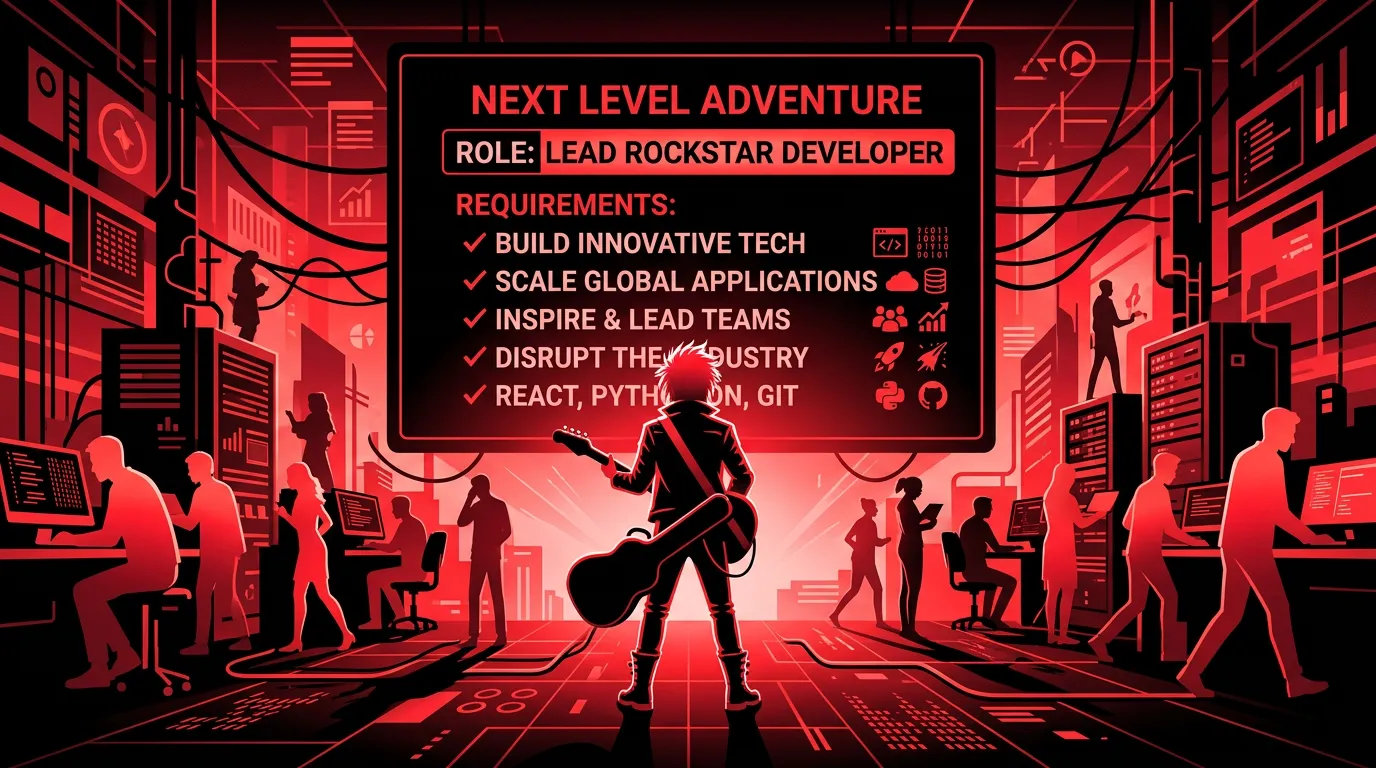
An engineering manager is the person responsible for leading a team of engineers to deliver projects on time, on budget, and at a high quality standard. Engineering managers must balance people management with technical leadership. You don't just manage a team. You set direction. You remove roadblocks. You hire qualified candidates. You fire underperformers when coaching doesn't work.
Here's what most people get wrong about the engineering manager role. They think it's a promotion from senior engineering. It's not. It's a career change. You're going from building things yourself to building the environment where other people build things.
2. Engineering Manager Duties and Responsibilities
Engineering managers plan, coordinate, and oversee the work of their engineering team. They manage budgets for projects, set timelines, and make sure the team hits project goals and objectives.
You'll spend a surprising amount of time on hiring. Engineering managers hire for both technical ability and team fit. You'll write job descriptions, screen resumes, run interviews, and make offers.
Performance reviews take up another big chunk. You'll run one-on-ones, give feedback, write annual reviews, and create growth plans.
You'll also oversee a variety of activities related to engineering projects, including design and development, quality assurance, and technology management.
Managers also handle the stuff nobody talks about. Conflict resolution. Budget fights. Explaining to executives why a project is late. Convincing your team to work on boring but important technical debt.
3. What Makes a Good Engineering Manager
A good engineering manager has strong communication skills. Period. That's the number one skill, and it's not close. You can be the best coder in the room, but if you can't explain a technical decision to a non-technical stakeholder, you'll struggle.
Technical skills still matter, though. You need to be an experienced engineer with enough depth to earn your team's respect.
Management skills are the other half of the equation. General management skills like delegation, prioritization, and financial management apply here just like they do in any management position.
The best engineering managers I've worked with shared three traits. They were honest, even when the truth was uncomfortable. They protected their team from organizational noise. And they made decisions quickly, knowing that a good decision made fast beats a perfect decision made slow.
Ready to land an engineering manager role? Build the personal brand that makes hiring teams seek you out.
Apply Now4. Engineering Manager Salary and Career Path
The salary for an engineering manager varies widely depending on location, industry, and company size. In software, engineering managers at top tech companies earn between $180,000 and $350,000 in total compensation.
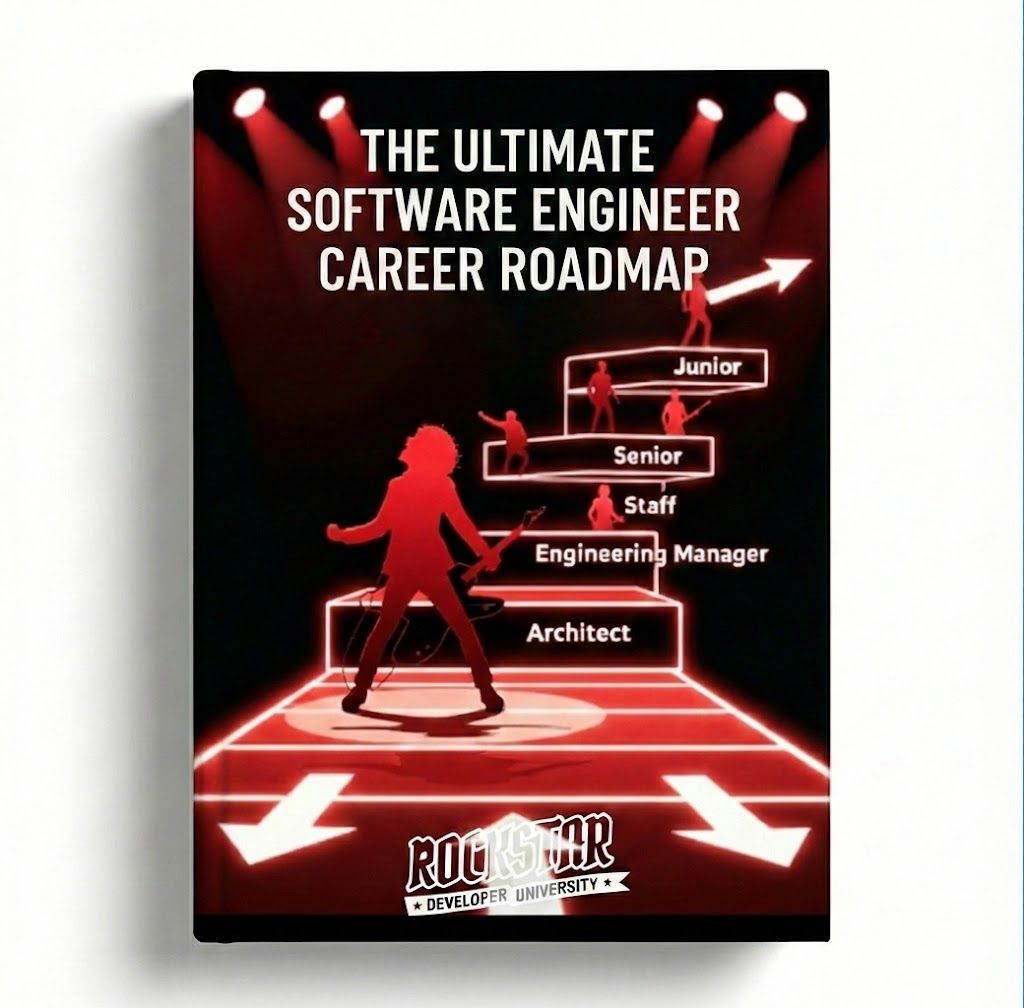
The engineering management career path offers several levels of management. You might start as a team lead, move into an engineering manager position, then progress to senior engineering manager, director, VP of engineering, and eventually CTO.
5. Engineering Manager Education and Work Experience Requirements
Most engineering manager job descriptions ask for a bachelor's degree in an engineering field, computer science, or a related discipline. Some positions want a master's degree in engineering or a master's degree in engineering management.
In software, experience matters more than degrees. Most positions require five to ten years of engineering experience, with at least two to three years of experience leading a team directly.
6. Engineering Manager vs. Project Manager vs. Product Manager
This confuses a lot of people. An engineering manager leads the people. A project manager leads the process. Product managers lead the product direction. These are three different jobs, even though some companies combine them.
The engineering manager's primary job is making the engineering team effective. A project manager tracks timelines, budgets, and deliverables. Product managers decide what gets built.
The best engineering manager candidates are known leaders before they apply. Build your reputation now.
Apply Now7. How to Become an Engineering Manager
Start by leading before you have the title. Volunteer to run a project. Mentor a junior engineer. Organize a team retrospective. These activities show engineering leadership and give you real management experience before you're officially in the role.
Build your personal brand around engineering leadership. Write about engineering management topics. Speak at meetups about leading engineering teams. When an engineering manager position opens up, the hiring team should already know your name.
Talk to your current manager about your goals. Many companies have internal paths to management positions.
8. Taking Action
If you're reading an engineering manager job description and wondering whether it's right for you, here's what I want you to do this week.
First, shadow an engineering manager at your company. Ask to sit in on their one-on-ones and team meetings. See what their day actually looks like.
Second, start a blog about engineering leadership. Even if nobody reads it at first, writing about the engineering department's challenges and how you'd solve them will clarify your thinking.
Third, lead a team of engineers on your next project. Volunteer to coordinate the work, run the stand-ups, and report progress to stakeholders.
If you're serious about deciding whether the leadership track is right for you, The Complete Software Developer's Career Guide walks through that transition in detail alongside every other stage of a developer career.